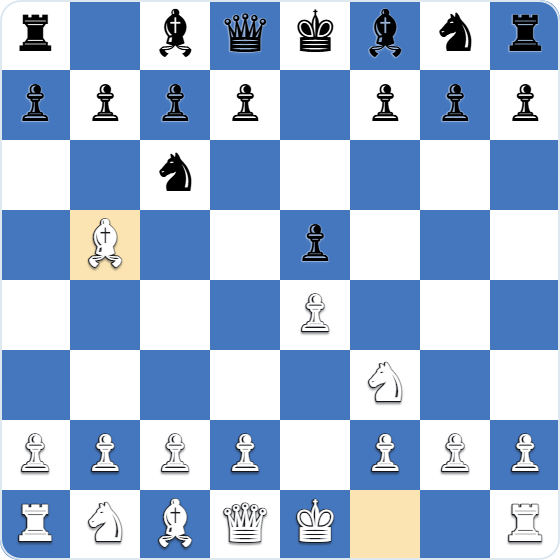
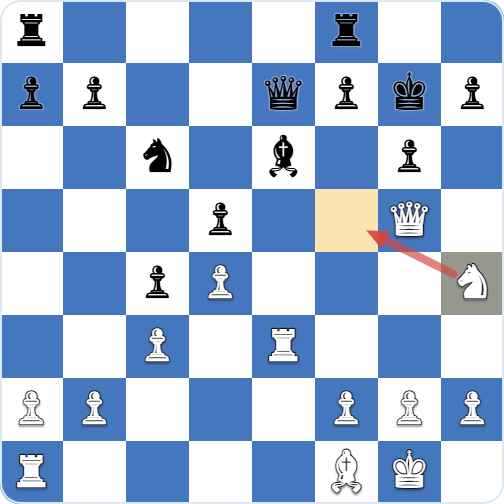
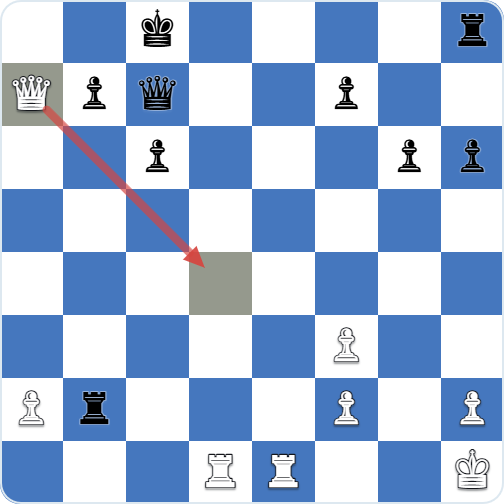
| Calculation | Start from your first games; the method becomes more detailed as your rating rises. | Below 800, check forcing moves and run a blunder check. From 800 to 1200, list candidate moves and calculate until the forcing play ends. From 1200 to 1600, work with a calculation tree. Above 1600, include quiet moves and the opponent’s best reply. | Four weeks, four sessions of twenty minutes each week. |
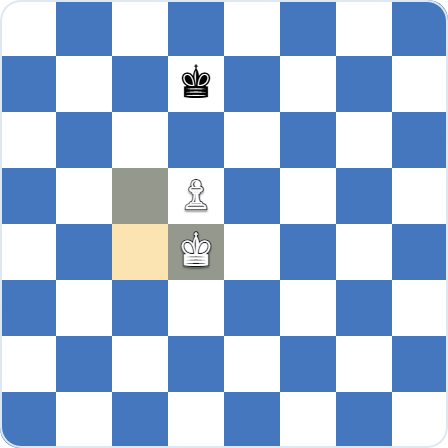
| Endgame techniques | Start below 800. Add broader technical endings from 800 to 1600 and practical transitions above 1600. | Begin with basic mates, the square of the pawn and opposition. Add key squares, Lucena and Philidor, then rook endings, minor piece endings and the decision to trade into an ending. | Six weeks, three sessions of twenty minutes each week. |
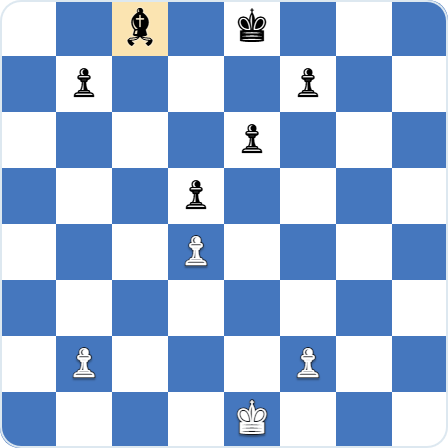
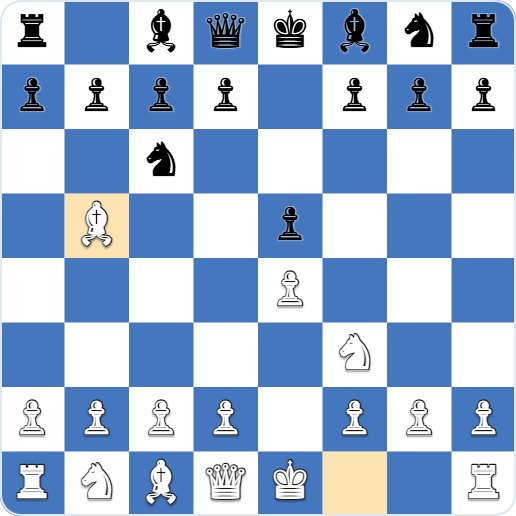
| Chess openings | Learn principles below 800, a compact repertoire from 800, and serious move order work from 1600. | Start with development, the center and king safety. Keep one system for each color. Build a repertoire tree from 1200, then add transpositions and opponent preparation only when your games require them. | Four weeks to build a compact repertoire, then two maintenance sessions each week. |
| Strategy ideas | Start with activity and simple plans; add formal work on imbalances as your games become more positional. | Start with activity, open files and the center. Add the worst piece, outposts and good and bad bishops. Later work on imbalances, exchanges, two weaknesses and prophylaxis. | Six weeks per theme, two sessions of twenty five minutes each week. |
| Positional judgment | Start with a short checklist near 800. It becomes a major training target from 1600. | Compare material, king safety, activity and structure before choosing a plan. From 1200, connect evaluation to candidate moves. From 1600, compare both sides’ plans and judge static advantages against dynamic play. | Eight weeks, three sessions of twenty five minutes each week. |